
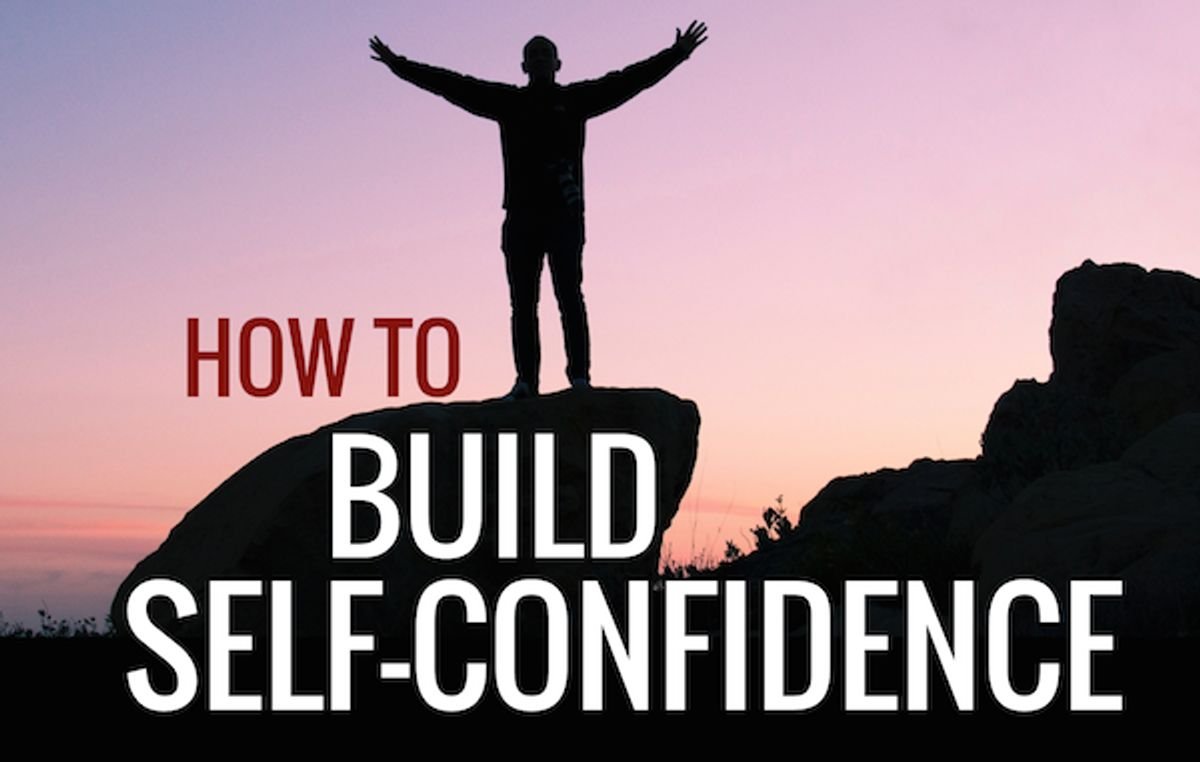
Build Self-Confidence: How to Increase Self-Esteem and Unlock Your True Potential
Have you ever hesitated to share an idea because you doubted yourself? Have you avoided opportunities because you feared failure, rejection, or criticism? If so, you are not alone.
Many talented individuals struggle with confidence at different stages of their personal and professional lives. They possess the skills, knowledge, and potential to succeed, yet self-doubt prevents them from taking action. The difference between those who remain stuck and those who move forward is often not talent – it is confidence.
Learning how to Build Self-Confidence is one of the most valuable investments a person can make. Confidence influences how we think, communicate, lead, and respond to challenges. It affects our relationships, career progression, decision-making, and overall quality of life.
The good news is that confidence is not something people are born with. It is a skill that can be developed through awareness, practice, and personal growth. Understanding How to Increase Self-Esteem is the first step toward creating lasting confidence from within.
Understanding the Difference Between Confidence and Self-Esteem
Although confidence and self-esteem are often used interchangeably, they are not exactly the same.
Confidence relates to our belief in our ability to perform a task or handle a situation. Self-esteem, on the other hand, reflects how we value and perceive ourselves as individuals.
A person may feel confident delivering a presentation but still struggle with self-worth. Likewise, someone with healthy self-esteem may occasionally feel nervous when facing a new challenge.
When individuals learn How to Increase Self-Esteem, they create a stronger foundation for confidence. Self-esteem influences how people respond to setbacks, criticism, and uncertainty. It shapes the inner voice that either supports growth or fuels self-doubt.
True confidence develops when competence and self-worth grow together.
Why So Many People Struggle with Confidence
Self-doubt often develops gradually. Past failures, negative feedback, comparisons with others, and fear of judgment can slowly weaken a person’s belief in themselves.
In today’s highly connected world, many individuals constantly compare their progress to the achievements of others. Social media, workplace competition, and unrealistic expectations can make people feel inadequate, even when they are performing well.
Over time, these experiences can create limiting beliefs such as:
“I am not good enough.”
“I will probably fail.”
“Others are more capable than I am.”
These beliefs become internal barriers that prevent growth and success. To Build Self-Confidence, individuals must first recognize and challenge the stories they tell themselves.
Confidence Grows Through Action
Many people believe they need confidence before taking action. In reality, confidence is often the result of taking action despite uncertainty.
Every time we step outside our comfort zone, we create an opportunity to grow. Confidence is built through experiences that demonstrate our ability to overcome challenges, adapt, and learn.
Whether it is speaking in a meeting, leading a project, learning a new skill, or having a difficult conversation, small actions create momentum. Each success strengthens self-belief and reinforces positive habits.
Understanding How to Increase Self-Esteem involves recognizing progress rather than seeking perfection. Growth occurs when individuals focus on improvement rather than flawless performance.
The Connection Between Self-Esteem and Communication
People with healthy self-esteem often communicate more effectively because they trust their voice and value their contributions.
When self-esteem is low, individuals may hesitate to express opinions, avoid difficult conversations, or remain silent even when they have valuable ideas to share. This can limit both personal and professional opportunities.
Developing confidence allows individuals to communicate with greater clarity, authenticity, and presence. They become more comfortable expressing ideas, asking questions, and engaging in meaningful discussions.
At Zenith School of Leadership, communication development is closely connected to confidence building because the ability to communicate effectively often reflects the level of confidence a person feels internally.
The Role of Self-Awareness in Building Confidence
One of the most powerful ways to Build Self-Confidence is through self-awareness.
Many individuals focus excessively on their weaknesses while overlooking their strengths. Self-awareness helps people develop a balanced understanding of who they are, what they do well, and where they can improve.
When individuals become aware of their strengths, achievements, values, and capabilities, they begin to build confidence based on reality rather than assumptions.
Self-awareness also helps people identify limiting beliefs that may be holding them back. Once these beliefs are recognized, they can be replaced with more empowering perspectives that support growth and resilience.
Developing Personal Intelligence
At Zenith School of Leadership, confidence development is closely linked to Personal Intelligence – the ability to understand oneself, manage emotions, and take responsibility for personal growth.
Personal Intelligence helps individuals develop greater self-belief by strengthening self-awareness, resilience, and accountability. Rather than seeking validation from external sources, people learn to build confidence from within.
This internal confidence remains stable even when circumstances become challenging. It allows individuals to navigate setbacks, embrace change, and continue moving forward despite obstacles.
When people strengthen their Personal Intelligence, they naturally improve their self-esteem and become more confident in their abilities and decisions.
Confidence Creates New Opportunities
Confidence influences how people approach opportunities. Individuals who believe in themselves are more likely to take initiative, pursue leadership roles, share ideas, and embrace new challenges.
This does not mean they never experience fear. Confident individuals simply learn how to move forward despite fear.
As confidence grows, so does the willingness to learn, adapt, and expand beyond familiar boundaries. New opportunities become less intimidating and more exciting.
Understanding How to Increase Self-Esteem empowers individuals to stop limiting themselves and start recognizing their true potential.
The Journey to Lasting Confidence
Building confidence is not a one-time achievement. It is an ongoing journey of self-discovery, learning, and growth.
Every challenge overcome, every lesson learned, and every courageous action taken contributes to stronger self-belief. Confidence develops gradually through consistent effort and a willingness to step beyond comfort zones.
At Zenith School of Leadership, confidence development goes beyond temporary motivation. Through self-awareness, Personal Intelligence, Communication Intelligence, and practical growth experiences, individuals learn how to Build Self-Confidence in a way that is authentic and sustainable.
Because the greatest transformation begins when you stop questioning your worth and start recognizing your potential. The moment you believe in yourself, you create the foundation for success in every area of life.
